
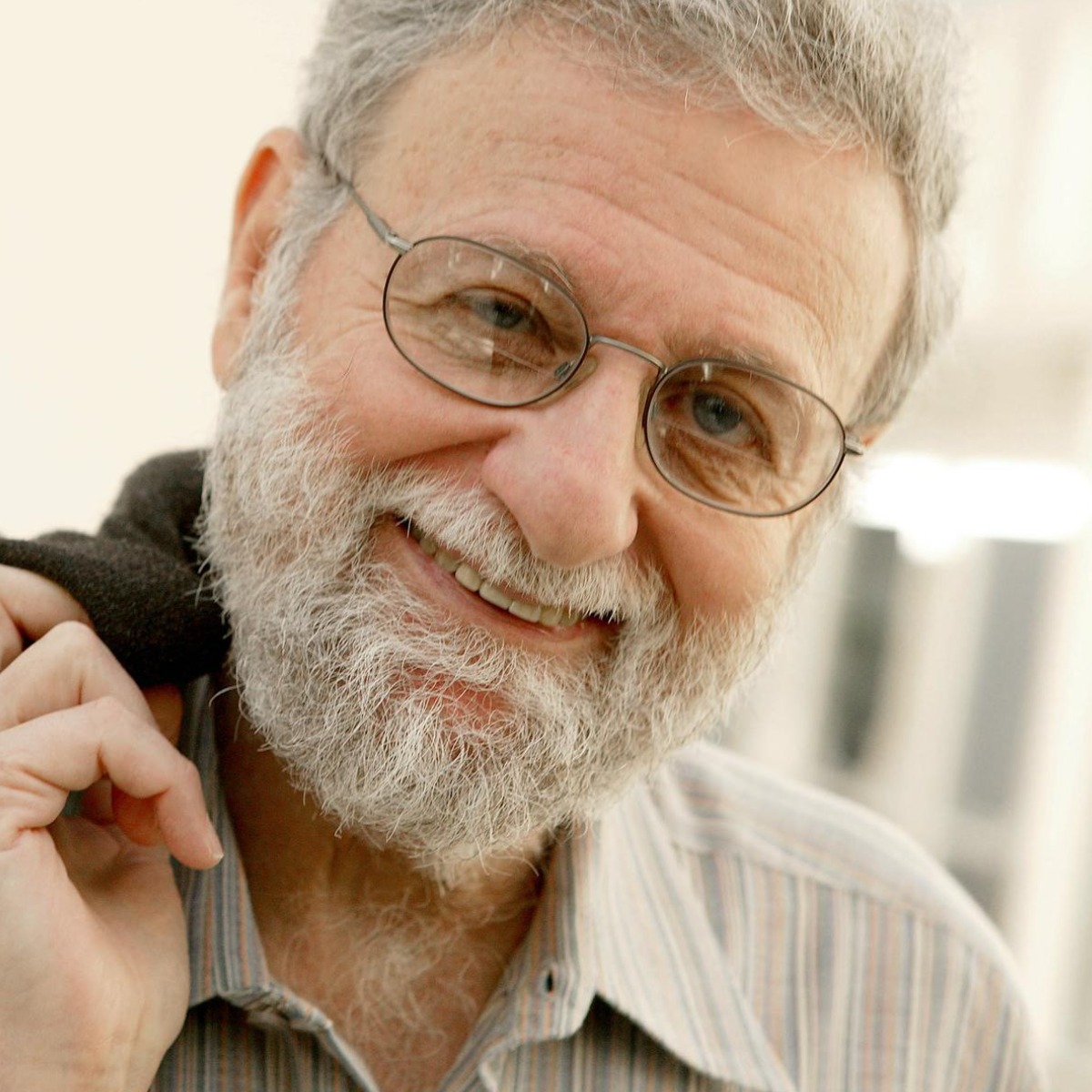
Kent talks with Don Norman about why the core work of product engineering has not changed: watch people work, treat so-called user error as a design problem, and fix root causes instead of blaming symptoms.
Don walks through a remarkable arc from electrical engineering and cognitive psychology to Three Mile Island, Xerox PARC, Apple, and the first use of user experience in a job title. They talk about timing and failed products, cross-functional product teams, what AI changes for software builders, and why Don now cares most about designing for humanity, not only usability.
Don's career makes this episode unusually wide-ranging: early computing, human error, aviation safety, Unix, Apple product decisions, digital cameras, color TV, and the long arc from usable products to systems that shape society. The through-line is straightforward but demanding: if you want better products, watch what people actually do, notice the workarounds they no longer complain about, and treat clusters of small usability problems like real product debt.
The second half brings that thinking into the present. Don and Kent talk about AI coding tools as force multipliers that still need direction, architecture, and supervision, then zoom out to Design for a Better World and the Don Norman Design Award. The result is a conversation about product sense that spans decades without feeling dated: the tools change, but the responsibility to understand people, systems, and consequences does not.
Homework
Resources
Guests
Don Norman Design Award (DNDA)
Transcript
Kent C. Dodds (00:01.144)
Hello everybody, this is Kent C. Dodds again, here to talk with you about product engineering and I am thrilled to be joined by Don Norman. Say hi, Don. Normally on this podcast so far we've mostly had software developers or product managers join us to talk about product engineering. Don is a special guest, I'm so happy to have you. Don is the author, how I got introduced to you, Don, is the design of everyday things, which was recommended to me by a friend.
Don (00:10.845)
Hi.
Kent C. Dodds (00:31.546)
And so much of what I read in that book is so applicable to what we do as software developers, building products for end users, that I just really felt like you had a lot to offer. And it's not the only book that you've written, In particular, recently you've written Design for a Better World. And I'm excited to talk with you about both of these as well.
I think it is helpful to add context to our conversation if people get to know you and your background a little bit, Don. So if you could tell us a little bit about your background and how you got into thinking so much about product design.
Don (01:13.907)
It's a long story, so I'll try to make it short. I started off as an electrical engineer. Went to MIT, studied electrical engineering. And when I graduated, what I was really interested in was circuit design. But I really wanted to design a smart machine, a smart computer. Now, I graduated in 1957. So I'm 90 years old right now. So you can see that.
Kent C. Dodds (01:16.415)
Okay.
Kent C. Dodds (01:22.382)
Hmm.
Kent C. Dodds (01:38.462)
Wow.
Don (01:43.923)
There were very few computers in the United States, in the world for that matter. But I went to the University of Pennsylvania for a master's degree in electrical engineering because that's where the very first computer in the United States had been built. They had EdVac and the ENIAC. But when I got there, those people were all gone. They had started a company, Remington Rand Univac, which was called the Electronic Brain.
Kent C. Dodds (02:02.113)
Hmm.
Don (02:13.317)
of the future. It had a million words of, no, it had a thousand words of memory and it cost a million dollars. Well, that was done. It was run by vacuum tubes and the vacuum tubes kept burning out. And so they had so many vacuum tubes. If each one is a lifetime of a thousand hours and they have 10,000 vacuum tubes, well, yeah.
Kent C. Dodds (02:20.85)
No.
Kent C. Dodds (02:24.844)
my word.
Kent C. Dodds (02:40.876)
That's incredible.
Don (02:42.533)
The point being nobody was there. So I got a master's degree, but I said, I really want to study computers. And they said, wait, you could be the very first person because we were thinking of starting something. But meanwhile, the psychology department had a new chair, just was hired with his PhD was physics and he was teaching mathematical psychology. And he gave a talk to the engineers and I said,
Okay, maybe I can set up building an intelligent machine, I should study this machine. So I went to him and he said, you don't know anything at all about psychology. And I said, yeah, that's right. And he said, good. And so I went into nothing to unlearn. And so I went into the department and I got my PhD in two years. I already had a master's in engineering.
Kent C. Dodds (03:15.672)
Huh.
Kent C. Dodds (03:24.27)
You have less to unlearn.
Don (03:35.924)
I think I failed a number of the psychology courses because I hated them. But I applied. I took all my engineering knowledge and I would explain lots of other phenomena. And so I ended up teaching some of the courses and failing some of the courses. But anyway, they liked me. I left, got a job at Harvard, was introduced to the faculty, the world's most famous psychologist at the time.
B.F. Skinner stood up and denounced me and the work I wanted to do. Well, if you can't see it, how can you talk about it? But after a few years there, the University of California San Diego started, or the whole university started. So they hired me, no student had yet graduated. But they did an interesting thing. They hired first Nobel Prize winners, then very senior faculty.
Kent C. Dodds (04:08.372)
no!
Kent C. Dodds (04:12.366)
Hmm.
Don (04:30.963)
And then they brought in graduate students and postdoctoral fellows. And then they hired younger faculty and undergraduate students, which made it a very, very exciting university right from the beginning. And so I was there. And I wrote a book with one of my colleagues called Human Information Processing Psychology. And we used information processing.
Kent C. Dodds (04:45.56)
Hmm.
Don (04:59.163)
tools to understand many of the phenomena that you studied. Because what I hated about psychology is you would report what one person had done and you had to memorize it and report what someone else had done. There wasn't any coherent theme, whereas as an engineer, we knew we didn't have to memorize anything. You just re-derive it at the moment. You have to understand the fundamentals and then you can derive what you need. Anyway, I was in psychology. actually
Kent C. Dodds (05:09.634)
Hmm.
Kent C. Dodds (05:16.855)
Hmm.
Don (05:29.521)
I studied a whole bunch of different issues, memory, attention, and then I got into human error, which was really interesting and became sort of an expert on human error. I then was called in to help the Three Mile Island Nuclear Power difficulty. It basically went rogue and...
fell apart and I was called in with a committee to look at why the operators made so many errors, made so many mistakes. And the committee, we looked at it and we said, they were pretty intelligent. They did the best thing possible. It was the design that was so crappy. And I had never really heard of design as a field. And so, oh, I know about people, I know about technology. So I went in and I started doing work. And out of that,
Kent C. Dodds (06:00.579)
yeah.
Kent C. Dodds (06:07.82)
Hmm.
Don (06:20.796)
I worked with NASA on aviation safety quite a bit and ended up writing a book called...
Which book did I write?
Kent C. Dodds (06:35.116)
You've got a couple of them.
Don (06:36.709)
Yeah. Well, the point is I got, I was already using computers. So when I was at Harvard, we had bought a digital equipment corporation, PDP for one of the early machines that you could actually work with. was sort of, could, that you could own it as opposed to being a big monster. And it only cost 20 or $30,000 and it had 4,000 words of memory and you could do much more with it.
Kent C. Dodds (06:44.398)
Hmm
Kent C. Dodds (06:56.854)
Hmm.
Don (07:04.275)
And when I was at UCSD, I bought the successor of PDP 11, which was much bigger and more powerful. And that led eventually to the Vax, which I also bought. And unfortunately, the DEC, which was the company that did it, didn't quite get the power of the PC as they started to come out and they got killed by it.
Kent C. Dodds (07:26.38)
Hmm.
Don (07:29.275)
Many people thought those early PCs were just toys. Well, they were, the Apple II, for example, but they grew up. And what happened is I was starting to teach a course I called it Cognitive Engineering. And a number of my students went off and worked at this new company called Apple. And they actually helped develop the software for the Macintosh.
Kent C. Dodds (07:33.357)
Yeah.
Kent C. Dodds (07:37.218)
Yeah, that often happens.
Don (07:54.567)
And meanwhile, I had written an article about Unix in which I said, basically, Unix is the only reason we use it is we have to use it. It was really horrible for the users. You know, I call up the text editor and I text and I write my program or I write whatever I want to write. And finally I'm finished. And I go home and I come back the next day and where is it? Where'd it go?
Kent C. Dodds (07:54.712)
Wow.
Don (08:23.184)
Somebody says, did you save it? No. Well, you didn't save it. We don't have it. And what? And in the manual, it actually said, sometimes people forget to save, and so they lose all their work. And as a friend of mine had told me was, if it's in the manual, it's not a bug, it's a feature.
Kent C. Dodds (08:49.582)
Yeah, it's not my favorite.
Don (08:51.23)
So that my own philosophy of laughing when people made errors because of something. You could have stopped, right? I mean, today that never happens. First of all, we're saving as we go along. But second of all, if you try to quit without saving, you'll be asked.
Kent C. Dodds (09:01.326)
Yeah.
Kent C. Dodds (09:09.996)
Yeah. If they had the time to write it in the book, you might have thought, like, maybe we make it so that this problem category doesn't exist.
Don (09:20.242)
That's exactly the point. So instead of attacking the symptoms, we try to really figure out why did it happen and how can we make it so that the symptoms go away. So that's a fundamental system at law. The other thing is understanding the way technology is moving.
Kent C. Dodds (09:31.852)
Yeah, yeah.
Don (09:42.473)
For example, I was writing some papers with a friend of mine who was at MIT and I was in San Diego. But we had a line going up to, I guess it was UCLA, University of California at Los Angeles. And they were on what was called the ARPAnet, a net that interconnected about five or six university computers. And so I was talking to my, we were writing with my friends and.
Kent C. Dodds (10:00.578)
Yeah.
Don (10:10.226)
the head of the computer center came to my office and said, you have to stop. Why? Do you know how expensive it is? Every time you type a character, the character is supposed to be sent on our expensive phone line all the way to Massachusetts. Then they have to take it and send it back so that we know they got it correctly. And you're costing a lot of money just to write on your paper. That's not what computers are for. Well, it is what computers are for today.
Kent C. Dodds (10:29.474)
Hahaha
Kent C. Dodds (10:34.958)
Hmm.
Don (10:39.592)
It's not the only thing computers are for, is anybody write anything outside? We don't have typewriters anymore, right? We always type everything into a computer. And so one thing I realized sometimes is that when people are doing things you did not expect, but a lot of them are doing it, maybe that's a signal.
Kent C. Dodds (10:46.218)
Yeah
Kent C. Dodds (11:03.969)
Yeah.
Don (11:05.372)
This is a whole new application. should think about it. We should support it and not stop them. In fact, a friend of mine at Harvard, at MIT in the business school,
Kent C. Dodds (11:11.075)
Yeah, that
Don (11:19.84)
I can't remember his name, but he made his whole career in business saying, you know what you should do in business? You should go out and watch what the people who you sell the stuff to are doing. And as you discover when it doesn't quite do what they want, they change what they modify it or whatever. And so that's where you get your really great ideas on Hipple. Is that who he is?
Kent C. Dodds (11:30.102)
Hmm.
Kent C. Dodds (11:45.214)
It sounds, one thing I wasn't expecting to get out of this conversation, but already I've gotten is something that I've said over the last several episodes is that the skills of designing a good product, in particular in software, anywhere, but in software is something that was useful 50 years ago and will probably continue to be useful even as AI coding agents get better. And so like,
This is just confirming for me that because you were there all those years ago and how valuable it was to really understand how to build a good product. And that advice of just sitting down and watching your user's can tell you so much about where the gaps are in your user experience.
Don (12:19.219)
Yeah.
Don (12:34.682)
And don't ask them. Don't ask somebody what's the problem, because they'll tell you the symptoms. And they won't tell you what really is going. Usually, when we watch and we discover things that we can do, what we find is they're doing a whole bunch of other stuff. And it seems that, why are you doing all that? Because that's, I have to get ready to do this and so on. And they just assume it's required. So they will never tell you. They'll never complain about doing that.
Kent C. Dodds (13:00.055)
Hmm.
Don (13:04.436)
Because, but if we then redo it so they don't have to do all that, oh wow. But they would never have thought of that because they think this is how it works. Anyway, let me quickly continue the life because I think there are some lessons in it as you're seeing. At some point I realized that the Apple II was out and I had bought one for my children.
Kent C. Dodds (13:04.812)
Yeah, they've kind of worked it into their workflow.
Kent C. Dodds (13:17.12)
Yeah, well, and
Don (13:33.142)
But I was consulting at Xerox Palo Alto Research Center where they developed the first real modern computer, the WYSIWYG. What you see is what you get, drop down menus, windows, et cetera. And that was the...
Kent C. Dodds (13:43.086)
Mm.
Don (13:50.218)
better way to work, it really was. And the people at Xerox were also interested in making sure people could use them. So Alan Newell and Stuart Card and Tom Moran formed a team to actually understand how people worked. And so that was part of the Xerox PARC revolution. The company never understood it, but the research labs in Palo Alto understood it.
And so I went back and forth there. And at some point I said, you know, I'm getting old. I don't remember how old I must have been, 40 or 50. And I want to go to industry and see how my work gets applied. And so I talked to a few people. I got offered a job. My friend said, oh, don't take the first job. Go see what else. So I talked to my friends at Apple. And eventually I went to Apple.
I was at Apple fellow, which meant I could do anything I wanted. And I thought that the quality of Apple software was going downhill. That it was, you didn't need a manual, you could just work it. But I seemed to get worse and worse. I said, and when you have these last minute meetings, know, hey, we have to ship in a month.
Kent C. Dodds (14:51.598)
That's nice.
Don (15:12.413)
and we have a lot of bugs, let's fix them. You never fix the usability bugs, you only fix the hardware bugs. So I complained to my friends and they had a very simple answer. The answer was, okay, you're on the committee. But the problem was when I'm on the committee and we have two problems and we only have time to fix one of them.
Kent C. Dodds (15:17.054)
Kent C. Dodds (15:27.384)
Ha ha.
Don (15:36.69)
And one of them is that as you're working, sometimes there's a bug and the computer crashes and you lose everything you've done over the last several hours. And the other one is people get really confused about the way this is done and they often make errors. But we can only fix one. Which would you fix? Well, obviously I would agree that we should fix the hardware bug. But what I realized later was that the problem was we these massive hardware problems, but
or programming programs problems, but on the usability side, we usually would pick some small thing that had to be fixed. And it was never big enough to be the high priority. But after a while, when you don't fix many small things, you actually have a really big problem. And so I realized that if we presented it as a big problem that really we ought to step back and fix it, then you could do that.
Kent C. Dodds (16:18.166)
Hmm.
Kent C. Dodds (16:23.512)
Hmm.
Don (16:31.505)
And the proper time to do that is not when there's a rush to ship things, but after that's done and you're now working on the next release, you can then have some time to sit back and do it right. So that was one lesson. But the other lesson was when I got to Apple, there was a new product coming out. And I said, this will change the world.
And Apple produced it and she went out and it failed. So they did a second version and it failed, and a third version and it failed. So they said, okay, never again. So what was it? Was I wrong? Well, I was right, absolutely right. But I was about 10 or 15 years off. It was a camera that didn't require film. And I was so right that today when I tell this to students, they don't even know what film is.
Kent C. Dodds (17:04.878)
Yeah, I'm very curious.
Kent C. Dodds (17:23.478)
Yeah
Don (17:24.981)
But the point again is that every product has its time. And sometimes a really good idea isn't ready. Either the product isn't ready, the technology isn't quite there, say, or the people and the purchasers don't quite understand it. And so they'll ignore it. And the other thing that happened is,
Eventually I said, I'm an Apple fellow and that's nice. I had started a group called the user experience group. That's where the name user experience comes in. And we were trying to improve things. And one thing we did is we said, it used to be that the marketing people and the engineers, which are the programmers, would get together and decide on the next project.
Kent C. Dodds (18:01.688)
Hmm.
Don (18:16.116)
And I said, no, you have to also include the design people, what we call it interface design in those days, and then eventually user experience. And that was accepted. So all three had to work together. And I like to tell people that what I really enjoyed was going and watching the people work once a project had been accepted, because I would not know which group somebody was in, because it didn't matter.
Kent C. Dodds (18:22.51)
Hmm.
Don (18:43.028)
because everybody was working together as a team. And when there was a new need, whoever felt that they had the time to work on it and also the skills would pick it up. And that's the way teams ought to work as opposed to this discipline, which doesn't like that discipline and doesn't work with this other discipline. So.
Kent C. Dodds (18:59.446)
Yeah.
Don (19:04.054)
And I thought that I could improve the way that we use computers. So I got permission to have a team. I had about 30 people. And we were going to redevelop the way the operating system worked, actually. Because we said the problem with the designs are that it's basically well designed for one person working uninterruptedly on a task. But they're never uninterrupted.
Kent C. Dodds (19:19.468)
Wow, big project.
Don (19:32.533)
I mean, sometimes they interrupt themselves. I've been working on this for several hours and I've missed my lunch and I'm hungry. I'm going to quit and have something to eat and come back. Or I go overnight, I go to sleep and I come back. And the system often in the old days, you turned it off at night and then you had to figure out where you were, what the place was. But you could also be interrupted because you have a new urgent task comes in.
Kent C. Dodds (19:41.123)
Yeah.
Don (20:01.946)
or there's all sorts of reasons why you're interrupted where you may have to do something different and then come back. And that's especially true in medicine today. Nurses, for example, are almost never allowed to finish a job. They get interrupted all the time. And I've watched nurses use the electronic medical record system. And I've seen nurses write the information on their hands. And I say, why are you doing that? It's supposed to be on the machine so that we don't make errors in writing and so on. And they say,
because I'm going to get interrupted. then after 30 seconds of not using the machine, it turns off for medical privacy concerns. And when I come back in it, I have to figure out what I was doing then and completely restate. And so we had it made so that when you were interrupted, you just put everything off to the side. Literally, you could shove it off to the side using your mouse and then open up a whole new space where you could work.
Kent C. Dodds (20:39.63)
Right.
Kent C. Dodds (20:57.806)
Hmm.
Don (21:01.504)
So Apple spaces came out of that.
Kent C. Dodds (21:04.071)
I use that all the time.
Don (21:06.26)
Yeah, and it allowed you to continue. fact, what I have is now three spaces live at the same time. Old machines couldn't do that, but I have a 39-inch monitor here and a 27-inch one there and a 27-inch. And this is where I do my major work, and that's where I have my calendar and the of the infrastructure machines. And this is where I work. Most of my time is spent with a charity, the Don Norman Design Award.
And so all that information is up there. And so that's another way to do multitasking. anyway, we developed this really neat system and we had really good people. And then I gave a presentation to the executives and they turned it down. Now, you know, they obviously respected me and they thought we were doing good work because I spent a lot of money on that.
30 high-priced people for I don't know how long we spent, six months or more. And I think they were right in turning it down because it didn't matter that it was better. But can you imagine what happens if we now suddenly give, pull the rug out from everybody? They're finally getting used to the Macintosh and they're beginning to like it and so on. And they've gotten over the apple to, where a lot of them never even would have bought the apple. They now own the Macintosh and.
Kent C. Dodds (22:03.0)
Yeah.
Kent C. Dodds (22:16.512)
and
Don (22:32.392)
this new host, you're going to do it in a completely different way after you learn all those sorts of new things? No, wouldn't have sold. I think today people are ready for it because the systems are already moving in that direction anyway. So there are various lessons you learn from failing and that was a failure. And I tell people that I say to people, if you don't fail every so often, you're not trying hard enough.
Kent C. Dodds (22:36.546)
Hmm.
Kent C. Dodds (22:51.875)
Yeah.
Kent C. Dodds (22:59.267)
Hmm.
Don (22:59.412)
And don't think of it as a failure. I tell them, you know, a scientist never fails. A scientist can work on a problem for two or three years and say, that's not working. I think I'll do something else. They don't say I failed. They say, I learned a lot.
Kent C. Dodds (23:10.572)
Hmm.
Kent C. Dodds (23:17.742)
Yeah, there's a lot to be learned from that sort of experience for sure.
Don (23:21.558)
So that's the beginning and.
The way of you, what I have done through my life has been very curious and things and keep changing what I'm doing. So I, from the psychology department, I said it's too narrow, just focused on the way psychologists work. And so I formed the first department of cognitive science in the world in which we brought in psychologists, yes, and computer scientists, yes. I was already publishing in the artificial intelligence literature. I brought in sociologists and anthropologists.
Kent C. Dodds (23:34.754)
Hmm.
Don (23:56.28)
And we really had many disciplines together. And that cognitive science still exists as a discipline. But then I left and went to Apple. after Apple, I did various other things. And each time I'm learning, and each time I do one thing, I'm learning from it, and I bring it into other fields. So, but let's now focus on your questions.
Kent C. Dodds (24:23.816)
I appreciate all that context. And yes, there is so much that we can learn from that experience. And I especially appreciate that the lessons that you learned back then are still so applicable to what we're doing now, even with the disruption of AI that's going on and everything, that designing good products has actually not changed. Maybe we've learned more about it and everything, but.
Don (24:46.871)
the same fundamental principles apply, yes.
Kent C. Dodds (24:51.202)
Yeah, yeah. And actually, you mentioned that in your book, because originally, I think it was published in the 80s, and then you updated it. Well, I guess it was a while ago now, but even with all the many years difference.
Don (25:02.315)
Yeah, I published it in 1988 because I was spending a year in England and I couldn't work the doors and I couldn't work the faucets, tap and light switches. as many people know, the thing I'm most famous for today is doors you can't open, Norman doors. But there are fundamental principles, design principles, which I include. So it's in the book.
Kent C. Dodds (25:10.286)
no.
Kent C. Dodds (25:19.854)
Yep.
Don (25:27.713)
But I use the examples then to show you, look, here's just some fundamental psychological principles that should be used, affordances and signifiers and et cetera. So yeah, so the world hasn't changed. And the current major change actually happened in my own laboratory because
Kent C. Dodds (25:38.88)
Yeah.
Don (25:48.618)
As I said, I started the Cognitive Science Group and we were starting an institute and then eventually a department of cognitive science. And we brought in a bunch of postdoctoral fellows, people who had just gotten their PhD degrees. And we were trying to explain to them what we were about a lot of the work we were thinking about and doing. And one of them said, no, you're wrong. And I was talking about perceptrons, which is a one layer neural network, if you will, just one layer.
Kent C. Dodds (26:17.293)
Hmm.
Don (26:17.375)
which could do some things, but was fundamentally limited. And so this person thought, yeah, that's true. But there's some interesting work going on in Europe. He was English, had come from England. And so I was setting up the field called human computer interaction today and user experience for that matter. And my colleague, Dave Rumelhart, said, I'll work on that. And so they eventually discovered, you know, put
these things in layers and you had added the nodes and Dave Rumelhart created the back propagation algorithm for assigning the weights to the network. And this postdoc just got the Nobel Prize for his work. So that's Jeff Hinton.
Kent C. Dodds (26:58.562)
Wow.
Kent C. Dodds (27:05.425)
Good for him.
Don (27:09.791)
He's one of the most intelligent people I know. He was just so much fun to work with. But that wasn't the problem I cared about, so I didn't work with that. But that's OK. But the point is I have followed this. And I remember I met Jeff a few years ago before the chat stuff came out. But still, the way that neural networks were working were much more powerful than we had.
And I said, what's going on? I've looked at all the work. I don't see that as any different from what we were doing. And he said, that's right. What's different is the computer is 1,000 times more powerful. And so let me tell you, we could not predict that. And I tell you, well, in about 20 years, the computers will be 1,000 times more powerful than today. So what does that mean you could do? And the answer is,
Kent C. Dodds (27:36.013)
Hmm.
Kent C. Dodds (27:49.206)
Yeah
Don (28:05.053)
You won't have any idea.
Kent C. Dodds (28:06.782)
No idea. Yeah. That really is wild. It's funny. I just have to say that the year that you wrote or that you were in that English bathroom, not able to turn on the faucet and stuff, that was the year I was born. So there's a lot that separates us in that time, but so much that's similar in the way that we are trying to just build really a better world.
For me, it's just been through software.
Don (28:36.866)
But the problem in England is a good example of the difficulties we face because first of all, in those days, first of all, people said, when I explained my problems to the psychology lab where I was spending the year, they thought it was amusing, but it wasn't relevant. And second of all, the water taps, well, they had a...
Kent C. Dodds (28:56.866)
Hmm.
Don (29:04.448)
On the top of the roof of every house, you had a water tank. So if the water failed, you had water. And that water though was used for cold water. For hot water, the water came directly to the hot water heater. And so you couldn't mix them together because one was high pressure and the other was low pressure. So they always had two separate spigots.
Kent C. Dodds (29:08.162)
Hmm.
Kent C. Dodds (29:23.616)
Hmm. really?
Don (29:28.288)
And sometimes they just had one coming out. But if you look carefully, there was a divider. So the left half was hot and the right half was cold. And you may have, they may still experience that. So you, learned in England to wash your hands by turning on both hot and cold and moving your hands back and forth. you don't. And, but they just didn't think of, it just didn't bother them when I kept saying, but everywhere else, everywhere else in the world, well, we do it this way. Well,
Kent C. Dodds (29:34.99)
That would feel funny.
Kent C. Dodds (29:45.998)
Hahaha
Kent C. Dodds (29:57.166)
Yeah.
Don (29:57.745)
Europe doesn't do it that way. I mean, it's not the American way. It's anyway. So it's very hard for people to, when they get used to something, to change it.
Kent C. Dodds (30:04.407)
Yeah.
Kent C. Dodds (30:09.846)
Yeah, how do you influence that kind of change when the people who are maybe in power and have more power than you do are trying to or are just saying, no, it's all fine. How do you influence that?
Don (30:25.834)
Well, there's several fields whose responsibilities at marketing and advertising, for example. One of them though is you try to get, there's a lot of history about how innovation catches on.
And what you eventually need is you need a couple of people who really understand it. And almost always that's going to be somebody who is much more better educated and wealthy. And being wealthy is important because there's this new kind of car coming out or it's the first electric vehicle coming out. A good friend of mine bought the very first General Motors electric vehicle that came out 30, 40 years ago.
Kent C. Dodds (30:55.896)
Hmm.
Kent C. Dodds (31:12.802)
Wow.
Don (31:13.656)
and he loved it. But so first of all, you have to understand these things and get them. But second of all, you have to be willing to say, if it doesn't work, so what? So he bought this car and if it didn't work, okay, he could afford it. And so the early adopters are often people or either companies or individuals who begin to see the power or if you will,
Kent C. Dodds (31:24.044)
Hmm.
Don (31:40.28)
the future power of this and they want to try it out and they don't mind if it doesn't work and they buy it. So these people end up with a big household filled with stuff that doesn't work anymore. But it's okay because as it does work, first of all, they give you feedback about what's missing and the problems they're having. And eventually as it gets better and better, you cross this horrible, this chasm between early adopters and later adopters, which
Kent C. Dodds (31:52.972)
Hahaha.
Don (32:09.347)
the late adopters of the market. But now they don't buy it either. And I used to tell that to people. It's also true even of AI. That is the early adopters started using chat almost on day one. They could see it right away. And everybody else said, well, but you know, it makes things up. doesn't lie. It doesn't tell you. We don't trust it. And we use it anyway. And we were just careful. And
Kent C. Dodds (32:11.49)
Hmm.
Kent C. Dodds (32:25.624)
Yeah.
Kent C. Dodds (32:29.176)
Ha ha ha.
Don (32:37.759)
It takes then, then you need.
people they respect to use it. And so what often happens is in a neighborhood, somebody starts using something and other people say, well, tell me about it. But what I used to say about some of the products coming out is that you'd say, yeah, that's really good. I should buy one. But the time between deciding you're gonna buy it and actual buying could be several years.
Kent C. Dodds (33:08.77)
Hmm
Don (33:10.209)
And so that's one of the problems of introducing a brand new concept to the world.
When television back in the days, remember I was born before television, when they were all black and white and a pretty crappy picture. And when the first color television makers came out, they were expensive. RCA was the only company that made it though. And does RCA still exist? I don't think it does.
Kent C. Dodds (33:24.078)
Ha ha ha.
Kent C. Dodds (33:45.314)
Not familiar.
Don (33:46.676)
And so, but the person in charge basically loved it. And so he was going to, spent 10 years making sure they still sold color TV. They were losing money all 10 years. But obviously today it's, we seldom see black and white TV sets. And so.
Kent C. Dodds (34:00.278)
Wow.
Kent C. Dodds (34:07.734)
Yeah.
Don (34:10.797)
But that was a person willing to just hold it. So actually they were the leaders for quite a while as it caught on. But most companies would have given up after a few years, just like Apple gave up on a digital camera.
Kent C. Dodds (34:22.774)
Hmm.
Kent C. Dodds (34:26.73)
Yeah, so how do you know like that you should stick with it or maybe you said earlier, when everybody is telling you that you're wrong, that's like a pretty good signal. And like it sounds like Apple was probably right to abandon the filmless camera at the time that it did because maybe the technology was not there. And if you disagree, then tell me but
Don (34:48.045)
Well, they could only take eight pictures. You couldn't see the picture before you took it. Well, but that's okay. The film only could hold eight pictures and you couldn't see the picture before you took it in film. But what did you do after you took the pictures? well, it was meant, so I'm in the field and I'm building this house and this doesn't work and the plans don't seem, I can't figure out the plan. So I take a picture of what I'm doing and where it was at and I send it back to the architect.
Kent C. Dodds (34:57.954)
Ha!
Don (35:16.921)
which means you have to find a phone and you take the handset and you plug it into these rubber cups and you dial up the number and you send the picture back at 110 baud. 110 baud, you don't even know what baud means. That means 11 bytes a second.
Kent C. Dodds (35:31.34)
No, I don't.
Kent C. Dodds (35:36.384)
Whoa, yeah. That's kind of slow.
Don (35:38.138)
And then when it gets there, well, we didn't have inkjet printers, we didn't have color printers. So what do you do with it? You just lay it on this black and white screen and it just wasn't there. The technology took a long time. Now, what Apple could have done, what could have said,
this is going to make a difference. And so why don't we put it back in our research labs and slowly figure out how to make it so that it does all the other things. But no, as a product, it just didn't make it. RCA was a more successful company at that point. And so RCA could say, we have a large research labs with a lot of funding, so we let them keep working on it.
Kent C. Dodds (36:12.748)
Hmm. So.
Kent C. Dodds (36:26.966)
Yeah, actually you do see that today where companies will continue to lose money on something because they know that it's going to be significant and they're either trying to. Yes. True.
Don (36:36.097)
No, no, no, because they think. Because sometimes it's wrong. There are lots of companies who have pursued something. It seemed very logical, but actually it's not necessarily that it was bad. But in the 10 years it's taking to get it to be better, a whole new idea comes up that sort of takes over and makes that other one not relevant anymore. And so you asked the question, how do you know? And the answer is you don't.
Kent C. Dodds (36:54.583)
Yeah.
Kent C. Dodds (37:04.334)
Yeah, you do kind of have to place your bets and balance that as best you can.
Don (37:10.903)
Well, look, when the Xerox machine came out, the company didn't know what to do with it. The company said, well, why are you wasting your money doing that? They developed the first laser printer and they were a printing company. But the laser printer, what's that for?
And so the laser printer guy ended up being an Apple fellow along with me. And Apple was the first company really to take the laser printer and use it, mainly because Canon developed an inexpensive laser printer. Now they developed it because that's just for printing. They were just to do copying. And then they used a laser to finish it. But Apple realized that, we can just skip the copying spot.
Kent C. Dodds (37:36.013)
Ha
Don (38:00.535)
and send the signal directly in. But that didn't work either because you still needed a way of getting images in. And in those days, all the images were dot matrices. so it required, actually, the folks who devised how to do this properly were at Xerox.
Palo Alto Research Center and they couldn't convince the company that this was relevant. So they quit and they started a company they called it Adobe. And then another
Kent C. Dodds (38:31.734)
Wow, nice.
Kent C. Dodds (38:42.754)
Hey Don, I don't know if it's on my end or yours, but I can't hear you anymore.
Kent C. Dodds (38:55.586)
Yeah, I still can't hear you. I think you may have bumped your microphone, maybe?
Don (39:06.329)
now.
Kent C. Dodds (39:07.498)
I can hear you now. So you just mentioned that the company that started was Adobe.
Don (39:11.362)
That's interesting. see, I worry about this a lot. This microphone has a nice touch sensitive thing. And if you touch the thing there, it mutes it. And you could turn it off, but it doesn't help because if you ever lose the power and you come back on, it's off. so I cover it with tape and the tape used to work.
Kent C. Dodds (39:23.68)
that is...
Kent C. Dodds (39:33.766)
there's a usability problem right there.
Don (39:39.322)
because if I touch it with tape, it doesn't turn off. But that's the problem.
Kent C. Dodds (39:42.22)
Hmm.
Don (39:48.73)
What was I saying?
Kent C. Dodds (39:48.898)
Well, you just mentioned that the company they started was Adobe. I think that was probably the last clean.
Don (39:56.643)
Yeah, and then actually another group of people were doing basically networking the computers together and using
and using a method of sending packets, which was developed first at Hawaii, but they used it. And again, Xerox thought it was wasteless. And then of course, so they quit and they started the company, 3Com. All sorts of wonderful companies resulted. And actually the computer, well, one of the people at Apple heard about the Xerox computers and so convinced...
Kent C. Dodds (40:23.598)
Mmm.
Don (40:37.094)
Apple convinced Xerox to let them visit and Steve Jobs was on the visit and he said this is the future. So he ended up, well, he ended up with the rights to build it. Actually, they purchased, they bought the rights. It wasn't that they stole it. People say that they stole it from Xerox, but no.
Apple was very pleased. They got a lot of stock in this young company called Apple that wasn't worth very much. But they thought it was worth it because they didn't think that what they were giving them was worth anything. And also a number of the people at Apple at Xerox quit and went to work for Apple. And that's the story of the Macintosh. But again, the people in New York City where the headquarters was, not New York City, but New York State.
Kent C. Dodds (41:15.032)
Mmm.
Don (41:31.352)
Rochester, New York, just could not see the future and why that was useful. And they were right. It was not useful at the time.
Kent C. Dodds (41:43.906)
Hmm. So you have to have kind of a vision, like a long-term vision for the future for things that kind of are that impactful. Yeah. So.
Don (41:50.842)
Yes, but many people with good long-term visions are wrong. And there's a famous saying that's been said now for hundreds of years, the best way to predict the future is to create it. But the problem is, no, that's false. Lots of people create what they think is the future and doesn't go any place.
Kent C. Dodds (42:03.086)
Hmm.
Kent C. Dodds (42:13.256)
Mm-hmm. So how like what's the difference between people who or when when you make the right bet and when you don't like I know you can't actually predict the future but is there anything you can do
Don (42:24.527)
But here's the difference is not the bet. The difference is the people. The people who are successful have these great ideas and they work on it and they produce it and it is unsuccessful. Okay, I'll try something else and something else and something else. You know, in the Valley, I was told once by a venture capitalist that
Kent C. Dodds (42:45.282)
Hmm.
Don (42:52.303)
First of all, as you well know that they work really hard to select only good candidates when people give them pitches for funding. Yet they know that even though they've been very careful in their selection, about 90 % will fail. But they also pointed out, the story I was told was they had a group of people and they were really, they loved the people. They thought they were wonderful. They didn't think their idea was going to work. And they finally decided to fund them.
Kent C. Dodds (43:06.998)
Yeah.
Don (43:21.691)
And when they told each other, they didn't tell this to the company, they told each other they're going to fail. But they will learn so much that they're going to come back with another idea and then we will, because then they'll understand and then they'll probably be successful. And so in most parts of the world, if you failed at something and you come back and try to get new money, they'll say, you failed before, well, why are you here?
Kent C. Dodds (43:21.74)
Hmm.
Don (43:49.602)
And in the valley, it's kind of like you fell before. Good. You learned a lot, didn't you? So the real secret is not that you, don't try to predict it with exact accuracy because you can't. All sorts of accidents happen. Or suddenly we're at war. And so the thing we were just about to release, can't, nobody can do it anymore. Okay. Or you don't have the right supply chain or whatever. So you can't predict. But,
Kent C. Dodds (44:03.608)
Hmm.
Don (44:18.555)
But you learn a lot and then you do something else and eventually you hit the jackpot. A lot of my good friends who have done really successful things will tell me how they had five or six failures first.
Kent C. Dodds (44:24.578)
Hmm.
Kent C. Dodds (44:36.13)
You just have to not be afraid of failing. It goes back to what you said earlier. Yeah. Yeah. that's good. Earlier you said that throughout your career, you've just been very curious and you keep changing what you're doing. I think that that makes a lot of sense. I appreciate how pragmatic that is. You just recognize that it's impossible to really know if this is going to work out. You just try and adjust as you go.
Don (44:39.088)
YOP that you're learning. Don't call it a failure, call it a learning experience.
Don (45:04.047)
Well, also I like in science, especially, I like to work in an area, in a new area, bring in my outlandish crazy ideas, which are simply taken from another field. That's all. They were everyday ideas in one field and novel in this new one, but so novel people didn't know what to do with it. And eventually it gets caught on and all sorts of people are working in the area. And then I say, okay, time for me to leave.
Kent C. Dodds (45:19.906)
Thank
Don (45:30.743)
And I go off to some other area, which is either in the same discipline or I change what I'm doing. I go from being a psychologist or being an engineer to a psychologist, to a cognitive scientist, and then stopping and going and becoming an executive at a company and working at several different companies. And then eventually starting my own company, the Nielsen Norman Group, and then following a client to
Chicago and the idea was wonderful, but ahead of its time, teaching MBAs over the internet didn't work. And so I went, then I became a professor of computer science at Northwestern. And, um, but there I taught design and I taught design to business students and the business students hated me. They didn't like what I was teaching because they wanted to know what's on the exam. What are you going to ask us about? And I would say, there is no exam.
Kent C. Dodds (46:05.774)
Kent C. Dodds (46:17.442)
Hmm.
Don (46:27.586)
And they will give me your notes, lecture notes beforehand. I don't have lecture notes. And I once had this really great discussion going on. What fantastic, because the students were really good. They had all, they were rising executives in the companies they had come from, and they really were good. And they came to me the next day and said, that was a miserable class. Why are you doing that? We're not paying all this money to hear from our stupid students. We're here to hear from you.
Kent C. Dodds (46:51.006)
Don (46:57.092)
And then the next year they would say, I'm going to start a company. Would you be on my advisory board? Took them a while because I wasn't following the normal script.
Kent C. Dodds (47:09.634)
Hmm.
Don (47:10.998)
And so who knows? Yeah, I've done, I've had failures and messes up, keep going. And so now.
What happened was after I finally retired for the fourth time, I was living in Palo Alto consulting and the head of UC San Diego came up to my home in Palo Alto and said, come back to UC San Diego and I want you to start a design group. And I said, no, I'm happy. I don't need a job. He came back three times. And the third time he finally said, I don't care what you do.
It only has two requirements. It has to be important and it has to be exciting. So I switched and now I started this group at UC San Diego, the design lab we called it. And I had a five-year appointment and in the seventh year of my five-year appointments, I said, I'm going to retire from my last time, my fifth time.
And that's when I, after I did that, I finally said, what I've been working on has been important, how to make things better and easier to understand, but the world has many problems and that doesn't address them. And so that's when I wrote the latest book, Design for a Better World. But I did a lot of study there. I had to learn history, I had to learn economics, I had to learn all sorts of things.
Kent C. Dodds (48:26.712)
Hmm.
Don (48:38.108)
I started off by saying, I'll write about the problems, but as I did research, I realized there was nothing for me to add. The problems were well known and understood. I'll write about the solutions, but again, the solutions are well known and understood, but they weren't being done. So that's in many ways what the book is about.
Kent C. Dodds (48:45.806)
Hmm.
Kent C. Dodds (48:54.774)
Hmm.
Kent C. Dodds (48:58.882)
Yeah, so earlier, before we started recording, mentioned what engineers who are not, maybe they don't feel empowered to solve these problems, whether that be the addictive behaviors that they're building into the software, or if we're doing hardware, the planned obsolescence and that sort of thing. How, if I'm an engineer working at a company that I see is doing what I think is societal,
bad things or bad things for humanity, what is something that I can do to influence that direction?
Don (49:36.154)
Well, there are several different paths, but the major path is...
Don (49:42.202)
You love your work. You really do. And yet, what I'm going to recommend means you have to stop that.
Kent C. Dodds (49:50.724)
Don (49:51.887)
And so many people don't want to do that because, right. But if you want to have a big impact in the world, you can't just keep doing your work because who are you talking to? Your podcast is very nice, but is it listened to by the senior business executives that you really want to impact? Probably not.
Kent C. Dodds (49:54.584)
No, I love what I do.
Kent C. Dodds (50:11.458)
Yeah, yeah, it's true.
Don (50:13.892)
And so you have to have a different kind of podcast for them. so if you want to get promoted, you can get promoted within your field. That's fine. You can understand that. But suppose when you're the top person in the, you know, the manager or director of that work, you're no longer doing any of the work. In fact, you're mostly dealing with budgetary budget problems and personality issues.
Kent C. Dodds (50:17.196)
Hmm.
Don (50:42.166)
and all sorts of other things, and very seldom actually working on what you care about. now when I became a vice president at Apple, I no longer was working on the things that I cared about. But for me, it was wonderful because I'm curious. And so I had 200 really brilliant scientists working for me.
Kent C. Dodds (50:47.415)
Hmm.
Kent C. Dodds (50:58.168)
Hmm.
Don (51:05.85)
with all sorts of new ideas and things and things I didn't even understand. So when I didn't understand what they were working on, I had them come in and give me tutorials until I understood it. But it was really wonderful to watch what was coming up and that fit me very nicely. I ended up doing things like going to testify before the FCC to help get the very first Wi-Fi band because...
Kent C. Dodds (51:30.658)
Wow, thank you.
Don (51:31.964)
There were lots of people who didn't want it. In fact, one of the, there were the fire, the firemen who didn't want it. said, uh, that's simply going to encroach upon our use of the, of the bandwidth because where you already using it and you want the band right next to it and that's going to interfere with us. And, uh, also AT &T who said, you're going to use that just to make free phone calls. And I assured them it was not possible to send phone calls over the internet.
And it was true, by the way, at the time. And we didn't realize that in 10 or 15 years, everything would be different. I also helped get the high definition TV standards going because it was a big fight between the computer companies that wanted a really great image and the TV companies that didn't want to change. They were going to digital and that allowed them to have much more bandwidth, but they said,
Kent C. Dodds (52:02.786)
Yeah, at the time.
Kent C. Dodds (52:09.442)
thousand times better.
Don (52:29.412)
So we can offer three channels instead of one and make more money from advertising. And that fight lasted a year with the lawyers and everybody else. And today it's sort of irrelevant because again, the technology has dramatically improved. But it got me to understand though the way the world works because I would have to go up.
Kent C. Dodds (52:34.488)
Hmm.
Kent C. Dodds (52:44.526)
Yeah.
Don (52:55.574)
We had a lawyer in Washington who instructed me. I learned about each of the five members of the FCC's major committee because I had to know what each was interested in. I also went up and down the halls of Congress talking to the Congress people and to their assistants, their staff. But other people, the people who...
who told me I got a big tutorial before I left in every case so that I was make sure I was up to date on all the technologies and the issues. They wouldn't want to do that. Takes them away from what they care about. So not everybody should do that, but we need somebody in every different field to do that. Because then people listen to you as you move up the ranks. so the other thing is...
Kent C. Dodds (53:36.95)
Hmm
Don (53:52.347)
You can sometimes can be simply the wise advisor and you can still do whatever you care about. if you can give advice at that high level and you find a mentor who's maybe a senior vice president who takes a liking to you and listens to you and therefore becomes your voice at the higher levels, pretty soon you get respected and then they'll bring you in when they're making decisions.
Kent C. Dodds (54:14.158)
Hmm.
Don (54:20.006)
But that's more rare. That doesn't happen as often. And which is kind of interesting that you probably had lots of consultants come in and give you advice. And what is a consultant? The consultant is somebody from far away.
Kent C. Dodds (54:22.144)
Mm-hmm.
Kent C. Dodds (54:38.796)
Yeah, temporary hired gun, yeah.
Don (54:42.616)
And sometimes their advice is very good because it's an outside eye looking at things. And if you're too close to something, don't see what's going on. And that's why no author, I don't trust the things I write. I have to have an editor read it and tell me this is crap. This is no good. You repeat it yourself three different times. But no designers should trust what they design either. And the same with code. We have code reviews.
Kent C. Dodds (54:53.453)
Hmm.
Kent C. Dodds (55:02.83)
Hahaha
Yeah
Kent C. Dodds (55:10.338)
Hmm.
Don (55:12.644)
because you know it so well that you look at it quickly and you just say, yeah, that's right, that's right. And so an outside person often can give you a different perspective and this can be very valuable. But unfortunately, there's a whole business of providing them and they're not always so valuable because they give you textbook advice, but every condition is really different.
Kent C. Dodds (55:17.922)
Hmm.
Kent C. Dodds (55:36.43)
Yeah.
Don (55:41.8)
But it's interesting because I've been a consultant where people really listen to me. Well, Apple was a bit like that. I was a consultant at Apple and yes, they listened to me. But once they hired me, they no longer paid much attention to what I would say. I'm not complaining. I was treated very well. And as you heard, they did listen to me and do things, but not everything.
Kent C. Dodds (55:59.726)
Huh.
Kent C. Dodds (56:05.293)
Hmm.
Don (56:06.429)
So yeah, the world's a complex place. It's made up of people. Well, and now the next question is, it's not just made up of people. We have a new kind of life. It's called AI. It's called generative AI. So you're going to ask me, what does that mean about our jobs?
Kent C. Dodds (56:25.152)
Yeah, yeah, it definitely changes things. In our industry, we're seeing a rapid decline in the value of being able to take an idea and implement it. And as a result, I don't know if we're necessarily seeing an increased value in coming up with the right ideas, because that's always been valuable. But as a result, one of the few things that we have left
as software developers is the ability to come up with the right idea.
Don (56:58.393)
Yes?
Kent C. Dodds (57:01.006)
And so how do we do that? How do we determine the right thing that we should be working on? I like to think of the AI assistant coders as arrows in your quiver. And the job of the developer is not so much like how to aim the arrow because it's getting really good. It's almost like a homing device, but it's more what target do you point at?
Don (57:01.319)
So.
Don (57:30.631)
So I believe that good programmers, good coders, well, not coders, coders may go away. Because the word coder doesn't imply coming up with a great idea. It implies doing the implementation. That's going to go away. Designers are taught how to do wonderful, you spend a lot of time if you get a degree in design, the first year you're learning how to draw, among other things.
Kent C. Dodds (57:43.946)
Yeah. Right.
Kent C. Dodds (57:59.031)
Hmm.
Don (58:01.766)
Why? there are at least two or three good reasons that today, in which you're, because it's basically the drawing of final finished drawing is a kind of a prototype you show to people to get. But the other important reason is sketching and drawing is a way of thinking. And so it's a very powerful tool in thinking. But, and I think we should learn that, but you no longer have to make pretty pictures because let the computer do it.
Kent C. Dodds (58:02.925)
Yeah.
Kent C. Dodds (58:20.45)
Yeah.
Kent C. Dodds (58:29.794)
Yeah, sure.
Don (58:30.747)
Now, it won't come out right the first time. The best way to do it is you draw a sketch showing it basically what you want, and then you give that so it gets a good starting point. You say, make this better, make it more professional. And then you say, no, know, do this, do that, et cetera. Well, I've now been writing programs by the same thing. I sit down and I say, here's the problem I'm facing. And in some cases, I'll even show what the correspondents have had with other people about the problem.
Kent C. Dodds (58:41.727)
Huh?
Kent C. Dodds (58:50.094)
Mm-hmm.
Kent C. Dodds (58:58.914)
Mm-hmm.
Don (58:58.967)
And then I'll say, here's what I think. And I say, here's what I need. And then it will do something for me. And I'll say, that's wonderful. But you know, it doesn't do this. Or it seems to be wrong here. Or this, that, or the other. And then actually, what happened to me then afterwards, I said, that's wonderful. But now I want to send it to other people. And I would send it to other people, and it wouldn't work. And I would have to say, come on, can you make it so it goes?
So it doesn't require my computer, but there's not hidden files someplace.
Kent C. Dodds (59:31.074)
Hmm.
Don (59:34.48)
I read a really interesting article this morning. It's in the Bloomberg News, because I read all sorts of things. I subscribed to Bloomberg, a business company. And there's an article about India's computer science grads are unprepared for the AI revolution.
And I go to India a lot. have lots of friends there. And some of my friends, one of my main friends is one of the six or seven people that started the company Infosys, which is today one of the world's largest IT companies.
Don (01:00:19.698)
They're in Bangalore, by the way. So companies like Infosys are running their new hires through many weeks of training to bring them up to speed on new programming tools. Notice it doesn't say what people always think it's going to say. Companies like Infosys are not hiring as many programmers anymore. They let AI do it. No, they're hiring just as many. But they're...
Kent C. Dodds (01:00:21.73)
Mm.
Kent C. Dodds (01:00:37.176)
Hmm.
Kent C. Dodds (01:00:41.55)
Yeah.
Don (01:00:42.098)
But they now, instead of hiring them and after a week or two of training, send them off to do their work, no, now they're going to spend how many weeks someplace in here? They spend a long time now basically retraining them. And they say things like, graduates who treat AI as a force multiplier rather than a replacement will find a steeper but more rewarding career path.
Kent C. Dodds (01:00:59.117)
Hmm.
Kent C. Dodds (01:01:12.182)
Hmm.
Don (01:01:13.372)
And there's even a quote from somebody, I'm not sure I completely agree with it. Does it make any sense to study computer science? And the answer was, no, you should learn AI instead. Well, what's wrong about that is AI is computer science. And actually it helps if you know code. There was another article I posted on LinkedIn, not by me, but I discovered the article and I thought this was so important I should send it to everybody.
Kent C. Dodds (01:01:27.048)
Yeah, that's what I was going to say too.
Don (01:01:41.022)
And so I've linked in, have 500, I have 300,000 followers. what that article said was, it a really neat article. It said,
The programmer had just finished a task and he just couldn't sleep at night afterwards. He's all finished and he can't sleep at night and he comes into work in the morning and he's sad and dejected, depressed. And his boss says, what's the matter? And he said, well, I just finished this job and it's really quite good, but I didn't do it. The AI did it. So what is there for me? And so.
Kent C. Dodds (01:02:17.464)
Ha ha.
Don (01:02:21.598)
The article is really good because it had her go through him and say, okay, where did the idea come from? Well, it came from me. And then what happened? Well, I explained it to the AI and then what happened? Well, it produced something. Was it right? No. So what did you do then? And then basically he had to be there coaching it, modifying, changing it all the time and periodically looking at the code.
Kent C. Dodds (01:02:49.61)
Mm-hmm. You know, I...
Don (01:02:51.536)
And, some people think that it's adding to the work because they have to look at the code really carefully to make sure there aren't any hidden bugs or that one of the things that the AIs do not understand is security. that there may be all sorts of security lapses, but that'll get, that'll get fixed. And, but you look at the code to see, it really capturing what I was talking about? And so.
Kent C. Dodds (01:03:05.112)
Hmm.
Kent C. Dodds (01:03:10.189)
Yeah.
Don (01:03:20.83)
At the end of the article, the guy is getting cheery again because thinking that, yes, it's just that I won't be doing the coding, but I'll be doing what's much more powerful and more important, which is, what is it we need? And it's just doing the right thing. And because I can now create so many things so much faster, maybe I can create things that I've always wanted to do, but never had the time to do it. And they give an example in this article, it's a very long article.
Kent C. Dodds (01:03:41.059)
Mm.
Don (01:03:48.25)
in which at the end they're pointing out that I'm something through to find it.
Don (01:03:59.092)
You know, no longer do teams spend months planning, designing, coding, and testing. What once took six or seven months now takes less than three. But it still took three.
Kent C. Dodds (01:04:12.782)
Mm-hmm.
Don (01:04:13.913)
And one of things that they did was they were meeting with a, it tells a story, they were once meeting with a possible client who wanted them to do something and they had this big meeting describing what their needs were and so on. And then normally what you do is you go off and you start doing a lot of brainstorming and work and so on. But while during the meeting, one person was doing vibe coding.
Kent C. Dodds (01:04:40.654)
yeah.
Don (01:04:41.743)
and then demonstrated a possible prototype right during the same first meeting, which really impressed the clients. The clients didn't say, we don't need you. The client said, wow, that's really wonderful. It isn't quite what I want, but I can see that it's in the right direction.
Kent C. Dodds (01:04:45.4)
Kent C. Dodds (01:04:58.872)
that is awesome. Yeah, I think with that earlier story of the engineer who was feeling really disappointed, one thing that software developers are going to need to develop is love of the problem and rather than love of the process of building the solution and really just understanding deeply the problem and just loving having a solution to the problem.
and especially
Don (01:05:29.407)
Oh, they still have to understand a lot about how to get to the solution, but it's a higher level. That's why the woman said, do you have to know computer science? She said, no, not really. But yes, you do because you have to know, first of all, today, it also doesn't do a really good architecture. tends to, and if you give it just the whole problem, it will just write one long program. If it needs the same routine five times, it will just repeat it again and again and again.
Kent C. Dodds (01:05:46.764)
Hmm.
Don (01:05:58.208)
and each time it even might be slightly different. And so it makes it very hard. Those programs, they may work just well, fine, but then you decide, oh, we have to change something. It makes it really hard to change, as you know, because I may change this to make it work well, but it destroyed the way it does something else. Whereas if they were independent modules, the reason we do independent modules, I can just change that one module.
Kent C. Dodds (01:06:21.112)
Hmm.
Don (01:06:27.883)
And that's it. I know it doesn't have other impacts, it does often, but...
Kent C. Dodds (01:06:34.222)
Yeah, yeah, I think the point though is that right at any point in time, the models are capable of what they're capable of.
That is going to continue to improve. don't think that we've gotten to the end of how good these models and these AI harnesses can be. The true value is in understanding the problem deeply and being able to direct the model to solve the problem the way that it needs to be solved.
Don (01:07:06.943)
So it requires a different skill. I tell people it's like, you have just hired you a very intelligent and well-trained person, but have actually never done anything. And so they're very, they really want to help you, but you have to watch them. First of all, you have to instruct them and then you have to supervise them.
Kent C. Dodds (01:07:19.906)
Ha ha.
Don (01:07:29.983)
And, but they, will help you with your workload. You'll get much more done. And as a result of getting more done, it isn't that, oh, the company is less people. It's the company can accomplish more and better and better things. Now, by the way, there's a lot of people being laid off because AI is coming. That I think is false. There's a lot of people also studying that and it's false. It's that, um, there's, we're in a bad economic times right now.
Kent C. Dodds (01:07:42.028)
Yeah, yeah. And hopefully.
Kent C. Dodds (01:07:59.44)
Mm-hmm.
Don (01:08:00.173)
And the current war isn't helping things because it's now difficult and expensive to get the materials we need and so on. So companies are laying off people. But laying off people is complex and you don't want to say you were a bad person. And so you find some excuse and the excuse is often, AI can do it.
Kent C. Dodds (01:08:18.733)
Yeah.
Kent C. Dodds (01:08:24.46)
Yeah, I think that's a fair assessment.
Don (01:08:25.152)
which is completely false today. mean, someday AI will take over some jobs, but not yet.
Kent C. Dodds (01:08:31.362)
Yeah, yeah. Well, Don, I have had such a pleasure chatting with you. Thank you for giving us some of your time. We're a bit over the time that I said I would take of yours, so I want to give you that back.
Don (01:08:43.2)
I don't think I've ever done a podcast where we didn't run over. So therefore, whatever you ask me to schedule, I always put on my calendar a slightly longer time.
Kent C. Dodds (01:08:56.686)
I can relate to that. I also like to talk. So thank you so much for giving us some of your time. I do want to make sure that everybody knows the best way to learn more about what you have to share, find ways to follow you and keep up with the things that you're working on.
Don (01:09:17.63)
Well, let me do my, I did this this morning for you, but I said, one thing is that this is not what I'm working on right now, because I say this book is wrong.
Kent C. Dodds (01:09:21.898)
Yeah, let's do.
Kent C. Dodds (01:09:30.744)
For the people listening, he's holding up the design of everyday things.
Don (01:09:34.343)
Okay, and so I say what's wrong about designing everyday things? Nothing. I still use it. I still say the things here are appropriate. Of course, it was written pre-AI, but what's wrong though is what's not in the book. And what's not in the book is how we destroy the environment when doing a physical product for mining, manufacturing, and also making them so that people have to buy new ones every couple of years, a new cell phone every three or four years.
every two years even, and a new computer every four or five years, and a new car every five or 10 years. 10 years would be a long time to have a car in today's world. we make them so it's not even easy to reuse the parts or to upgrade things and to repair them. So cell phones are really difficult to repair.
Kent C. Dodds (01:10:04.654)
Yeah.
Kent C. Dodds (01:10:12.054)
Hmm.
Kent C. Dodds (01:10:19.118)
Hmm.
Don (01:10:27.104)
and the parts can't be used, so they're thrown away and cause smoking hazards because electronic equipment all piled up, the batteries start catching fire. Why are we doing that? There are better ways of doing that and not destroying people's lives, which is what this does. It causes poison in the air, the land and the water. And so the other thing is digital technology.
It all requires physical products, so you aren't immune from that. But in addition, you're changing cultures. You're addicting people. That's considered good business practice, so people stay longer on the thing, on your field. The infinite scroll, which is so widely used on social media now. The person who invented it is now sorry that he invented it.
Kent C. Dodds (01:11:02.542)
Mm-hmm.
Don (01:11:16.724)
And we're trying to figure out ways of making sure even though we all do this visual scroll, it might say at some point, stop, that's enough. You need to do something else in your life. And so I wrote another book which is called Design for a Better World, which must be meaningful, sustainable and humanity centered. In which I try to talk about what the kind of changes we have to do and.
Kent C. Dodds (01:11:25.047)
Yeah.
Don (01:11:45.314)
and how it should be done. And I go through history and I go through economics and I go through business models and a lot of things that are relevant. So what we had talked about today. And I wrote this book after I'd done my fifth retirement. And after I finished the book, which was published in 2023, I said, okay, now what do I do? I decided I want to do something that was relevant to the book. And so,
friends of mine wanted to start a charity in my name. And so I said, okay, and let's make sure it's one that does societal benefit things. we reward early career people who have never done this before. I don't care how old they are, they're gonna be 70 years old or they've never done something for societal benefit. It has to be one of the United Nations Sustainable Development Goals. They have 17 of them. And you have to have evidence that is making a difference.
Kent C. Dodds (01:12:40.398)
Hmm.
Don (01:12:45.033)
And we've gotten hundreds of applications from like 30 different countries. And we're now in the third year of the con and it's been wonderful. And we also then reward educational groups that train people to do things this way. And then we discovered lots of companies that some of the people were early career. They had never done this before, but they were banded together in a nonprofit or maybe even a profit company.
And so we said, that isn't fair. You're being funded and you're getting good advice. So we started giving those awards to the organization. And now we seek those organizations. And we've now just started a new thing called technology for humanity to say, okay, here we'll take experienced people. I don't care your age or how much money you're being given to do the task, but if you use technology to directly impact the quality of life, then yes.
come and talk to us or present at their annual summit every year. But there's lots of people who do good technology and lots of rewards for people doing good technology. But almost always it's just for the technology, like to clean air or clean the water or a better education or...
better transportation in places that need it. That's good, but most of it is about the technology. And I don't want to stop that, but I want to do the next step. I want to do the step from the technology to the actual impact on the people. So that's what we're going to reward. And then my friends in India, the Infosys folks, said, you know, Don, you're doing wonderful work. You're helping thousands of people. But...
Kent C. Dodds (01:14:22.487)
Hmm.
Don (01:14:33.729)
I have a foundation and I'm helping millions of people. And you know what? Thousands of people don't matter in the world. Millions of people in a country like India with 1.3 billion people doesn't much matter and a world of 8 billion. So you have to scale. That's the solution. But you scale not by getting, don't do it by getting bigger and bigger and bigger, because then you're a big bureaucracy and you can't work as well. So scale by replication.
Kent C. Dodds (01:14:51.896)
Hmm.
Don (01:15:01.921)
And he used a model of dandelions. One becomes 10, becomes 100, 1,000, exponential change. But I didn't like that because I've been finding lots and lots of other nonprofits that are doing similar work to us based on the sustainable development goals of the United Nations, but they're doing it differently. So I said, we're a forest, and each of the trees is different.
But underneath the trees, hidden below the ground, there was a root structure of communication where the trees help each other and share, et cetera. So that's what we're now building. Right now, we're in the very early stages of building an alliance for humanity. we have groups. We decided to start with 12 different companies. And they're all around the world. So in fact, I'm June. I'm off to.
London to talk to Design for Good, a nice firm that does this. I'm going to work also with Commit Global, which is company that works with immigrants. It started in Romania, but then their work was so good, other countries around them wanted to help. And then their work was so nice that the Netherlands now funds them. And so we want them to be part of our alliance. Had a phone call with them just this week.
Well, our conferences are always international. So the first film was San Diego, and that's a horrible spot to have an international Congress meeting today. So the second one was in Singapore last November. And the third one will be on the Infosys campus, educational campus in November. So that's in India. And we're now talking to places in Europe and Africa about possible locations for the next conference.
And this is the most important thing I've ever done. In many ways, it puts together all that I've ever done in all these different fields, trying to make for a better life. So if you want to know about it, the name of the charity is the Don Norman Design Award, DNDA. And our website is dnda.design.
Kent C. Dodds (01:17:05.944)
Well done Matt.
Kent C. Dodds (01:17:19.478)
We'll definitely include that in the show notes. And Don, for you to say that this is the most important thing you've ever done really does say something, especially after everything we heard in this episode. And so we really appreciate you giving us some time today to take us through some of history and help us understand how critical it is to design products that are good for both humans as well as humanity. So thank you so much, Don.
Don (01:17:45.749)
Thank you, Kent.
Kent C. Dodds (01:17:47.554)
Have a wonderful day everybody, we'll see you the next time.