Season 7 of Chats with Kent is out: Become a Product Engineer.

Illustration of a microphone

Calls with Kent C. Dodds.

You call, I'll answer.

Listen to the podcasts here
Phone sitting on a stool

What's this all about?

The goal of the Call Kent Podcast is to get my answers to your questions. You record your brief question (120 seconds or less) right from your browser. Then I listen to it later and give my response, and through the magic of technology (ffmpeg), our question and answer are stitched together and published to the podcast feed.

If recording isn't an option, you can also type your question and we'll generate the audio for you.

I look forward to hearing from you!

Record your call

Calls with Kent C. Dodds Season 1 — 61 episodes

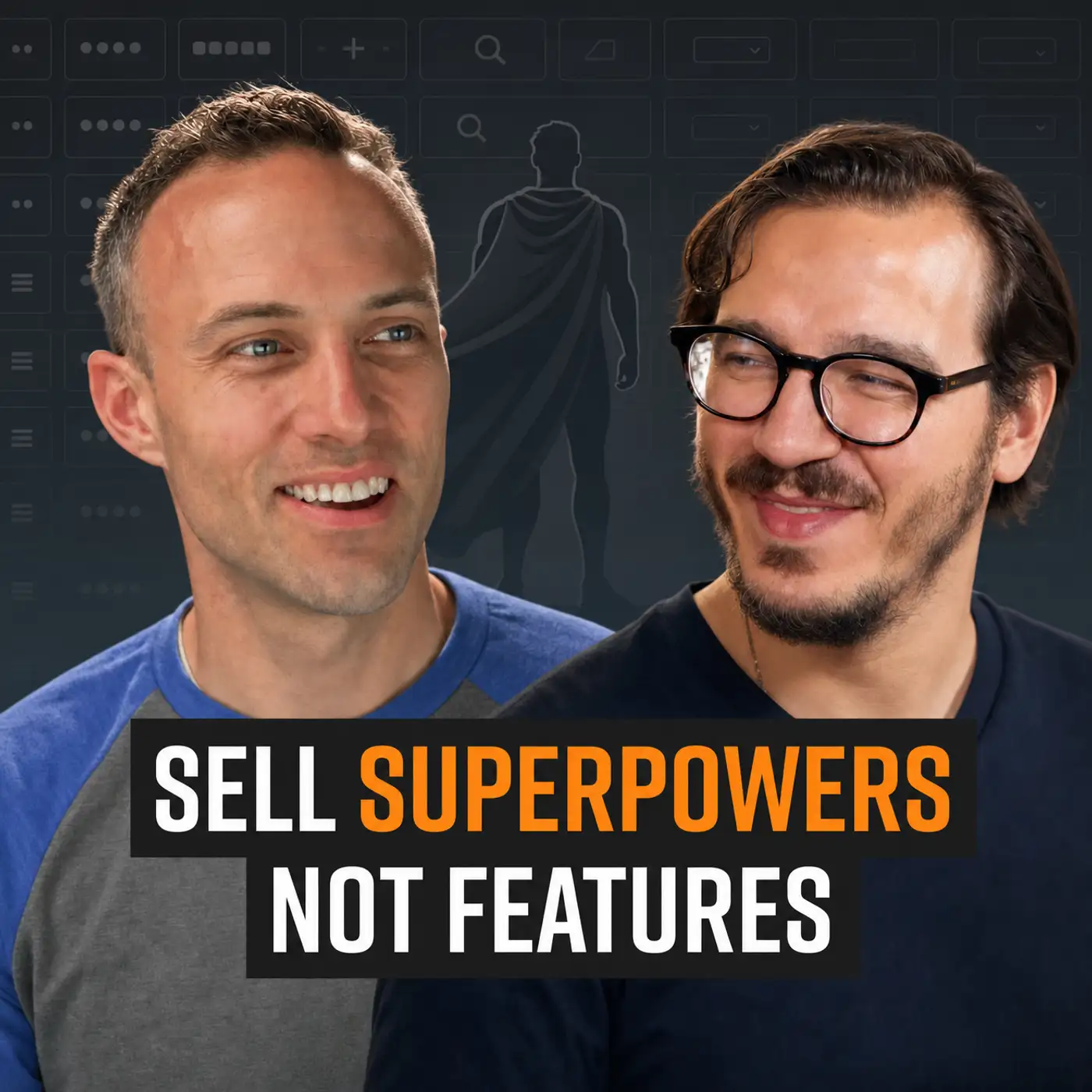
05.Vertical slices, Solo, and empathy — product engineering with Aaron D. Francis
45:40
Keywords

product, engineering, vertical

Description
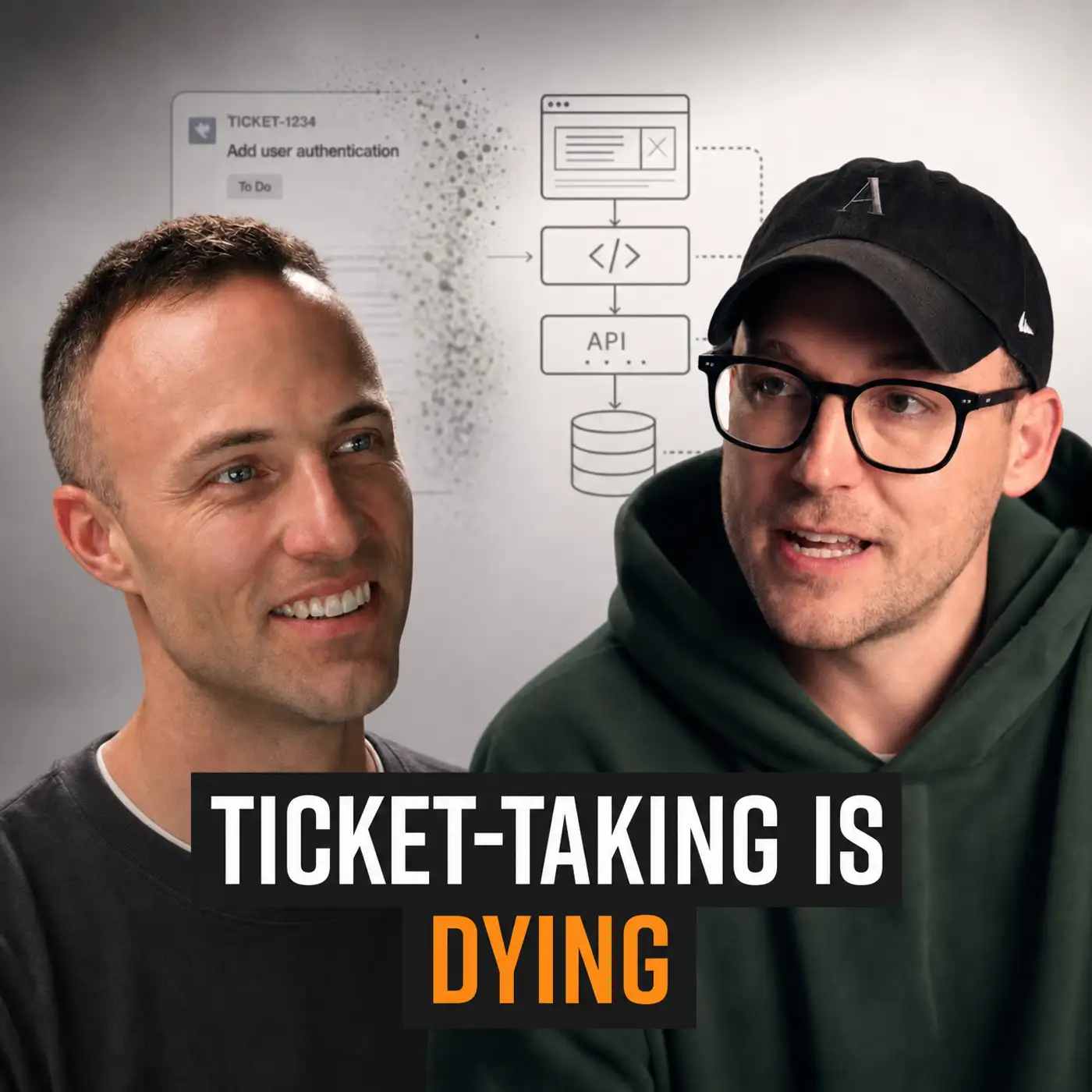
Kent talks with Aaron D. Francis about product engineering: why ticket-taking implementation is losing ground to agents, what a vertical slice from UI to database really means, and how Aaron’s desktop app Solo came from a painful problem—not a feature spec.
They go deep on scratch-your-own-itch products, separating agents from dev stacks, Jobs to Be Done, why users bring you solutions instead of problems, and how empathy (and letting go of “technically correct”) changes what you ship.
Aaron builds in public—Laravel roots, education, and now Solo, a terminal multiplexer–style desktop app for organizing agents and dev stacks. This episode is a practical tour of product sense for developers: watching people work, reading support email with empathy, cow paths vs. fences, and why the “right” architecture can still lose if humans go home furious.
You’ll hear how Aaron reasons from problem → solution when users ask for worktrees, when to duplicate UI affordances even when the model is “one,” and how introverts can still do discovery by treating outreach like an optimization mission—plus niche opportunities outside the Cursor clone gold rush.
Homework
  • When someone asks for a solution (e.g. a feature), slow down and ask what problem they’re really trying to solve—users often lead with implementations.
  • Practice user empathy: imagine someone stressed, trying to finish work; question “technically correct” UX that blames the user instead of protecting them (confirmations, back-button data loss, etc.).
  • If talking to people is hard, reframe discovery as a systematic search (spreadsheet energy, trusted partners, or domain friends)—or pair with someone who loves conversations.
Resources
Guest: Aaron D. Francis
Host: Kent C. Dodds
Video
05.Vertical slices, Solo, and empathy — product engineering with Aaron D. Francis
45:40
Keywords

product, engineering, vertical

Description
Kent talks with Aaron D. Francis about product engineering: why ticket-taking implementation is losing ground to agents, what a vertical slice from UI to database really means, and how Aaron’s desktop app Solo came from a painful problem—not a feature spec.
They go deep on scratch-your-own-itch products, separating agents from dev stacks, Jobs to Be Done, why users bring you solutions instead of problems, and how empathy (and letting go of “technically correct”) changes what you ship.
Aaron builds in public—Laravel roots, education, and now Solo, a terminal multiplexer–style desktop app for organizing agents and dev stacks. This episode is a practical tour of product sense for developers: watching people work, reading support email with empathy, cow paths vs. fences, and why the “right” architecture can still lose if humans go home furious.
You’ll hear how Aaron reasons from problem → solution when users ask for worktrees, when to duplicate UI affordances even when the model is “one,” and how introverts can still do discovery by treating outreach like an optimization mission—plus niche opportunities outside the Cursor clone gold rush.
Homework
  • When someone asks for a solution (e.g. a feature), slow down and ask what problem they’re really trying to solve—users often lead with implementations.
  • Practice user empathy: imagine someone stressed, trying to finish work; question “technically correct” UX that blames the user instead of protecting them (confirmations, back-button data loss, etc.).
  • If talking to people is hard, reframe discovery as a systematic search (spreadsheet energy, trusted partners, or domain friends)—or pair with someone who loves conversations.
Resources
Guest: Aaron D. Francis
Host: Kent C. Dodds

Video
05.Vertical slices, Solo, and empathy — product engineering with Aaron D. Francis
45:40
Keywords

product, engineering, vertical

Description
Kent talks with Aaron D. Francis about product engineering: why ticket-taking implementation is losing ground to agents, what a vertical slice from UI to database really means, and how Aaron’s desktop app Solo came from a painful problem—not a feature spec.
They go deep on scratch-your-own-itch products, separating agents from dev stacks, Jobs to Be Done, why users bring you solutions instead of problems, and how empathy (and letting go of “technically correct”) changes what you ship.
Aaron builds in public—Laravel roots, education, and now Solo, a terminal multiplexer–style desktop app for organizing agents and dev stacks. This episode is a practical tour of product sense for developers: watching people work, reading support email with empathy, cow paths vs. fences, and why the “right” architecture can still lose if humans go home furious.
You’ll hear how Aaron reasons from problem → solution when users ask for worktrees, when to duplicate UI affordances even when the model is “one,” and how introverts can still do discovery by treating outreach like an optimization mission—plus niche opportunities outside the Cursor clone gold rush.
Homework
  • When someone asks for a solution (e.g. a feature), slow down and ask what problem they’re really trying to solve—users often lead with implementations.
  • Practice user empathy: imagine someone stressed, trying to finish work; question “technically correct” UX that blames the user instead of protecting them (confirmations, back-button data loss, etc.).
  • If talking to people is hard, reframe discovery as a systematic search (spreadsheet energy, trusted partners, or domain friends)—or pair with someone who loves conversations.
Resources
Guest: Aaron D. Francis
Host: Kent C. Dodds
Video
05.Vertical slices, Solo, and empathy — product engineering with Aaron D. Francis
45:40
Keywords

product, engineering, vertical

Description
Kent talks with Aaron D. Francis about product engineering: why ticket-taking implementation is losing ground to agents, what a vertical slice from UI to database really means, and how Aaron’s desktop app Solo came from a painful problem—not a feature spec.
They go deep on scratch-your-own-itch products, separating agents from dev stacks, Jobs to Be Done, why users bring you solutions instead of problems, and how empathy (and letting go of “technically correct”) changes what you ship.
Aaron builds in public—Laravel roots, education, and now Solo, a terminal multiplexer–style desktop app for organizing agents and dev stacks. This episode is a practical tour of product sense for developers: watching people work, reading support email with empathy, cow paths vs. fences, and why the “right” architecture can still lose if humans go home furious.
You’ll hear how Aaron reasons from problem → solution when users ask for worktrees, when to duplicate UI affordances even when the model is “one,” and how introverts can still do discovery by treating outreach like an optimization mission—plus niche opportunities outside the Cursor clone gold rush.
Homework
  • When someone asks for a solution (e.g. a feature), slow down and ask what problem they’re really trying to solve—users often lead with implementations.
  • Practice user empathy: imagine someone stressed, trying to finish work; question “technically correct” UX that blames the user instead of protecting them (confirmations, back-button data loss, etc.).
  • If talking to people is hard, reframe discovery as a systematic search (spreadsheet energy, trusted partners, or domain friends)—or pair with someone who loves conversations.
Resources
Guest: Aaron D. Francis
Host: Kent C. Dodds
Video
05.Vertical slices, Solo, and empathy — product engineering with Aaron D. Francis
45:40
Keywords

product, engineering, vertical

Description
Kent talks with Aaron D. Francis about product engineering: why ticket-taking implementation is losing ground to agents, what a vertical slice from UI to database really means, and how Aaron’s desktop app Solo came from a painful problem—not a feature spec.
They go deep on scratch-your-own-itch products, separating agents from dev stacks, Jobs to Be Done, why users bring you solutions instead of problems, and how empathy (and letting go of “technically correct”) changes what you ship.
Aaron builds in public—Laravel roots, education, and now Solo, a terminal multiplexer–style desktop app for organizing agents and dev stacks. This episode is a practical tour of product sense for developers: watching people work, reading support email with empathy, cow paths vs. fences, and why the “right” architecture can still lose if humans go home furious.
You’ll hear how Aaron reasons from problem → solution when users ask for worktrees, when to duplicate UI affordances even when the model is “one,” and how introverts can still do discovery by treating outreach like an optimization mission—plus niche opportunities outside the Cursor clone gold rush.
Homework
  • When someone asks for a solution (e.g. a feature), slow down and ask what problem they’re really trying to solve—users often lead with implementations.
  • Practice user empathy: imagine someone stressed, trying to finish work; question “technically correct” UX that blames the user instead of protecting them (confirmations, back-button data loss, etc.).
  • If talking to people is hard, reframe discovery as a systematic search (spreadsheet energy, trusted partners, or domain friends)—or pair with someone who loves conversations.
Resources
Guest: Aaron D. Francis
Host: Kent C. Dodds
Video

Looking for more content?

Have a look at these articles.

See the full blog