Season 7 of Chats with Kent is out: Become a Product Engineer.

Illustration of a microphone

Calls with Kent C. Dodds.

You call, I'll answer.

Listen to the podcasts here
Phone sitting on a stool

What's this all about?

The goal of the Call Kent Podcast is to get my answers to your questions. You record your brief question (120 seconds or less) right from your browser. Then I listen to it later and give my response, and through the magic of technology (ffmpeg), our question and answer are stitched together and published to the podcast feed.

If recording isn't an option, you can also type your question and we'll generate the audio for you.

I look forward to hearing from you!

Record your call

Calls with Kent C. Dodds Season 1 — 66 episodes

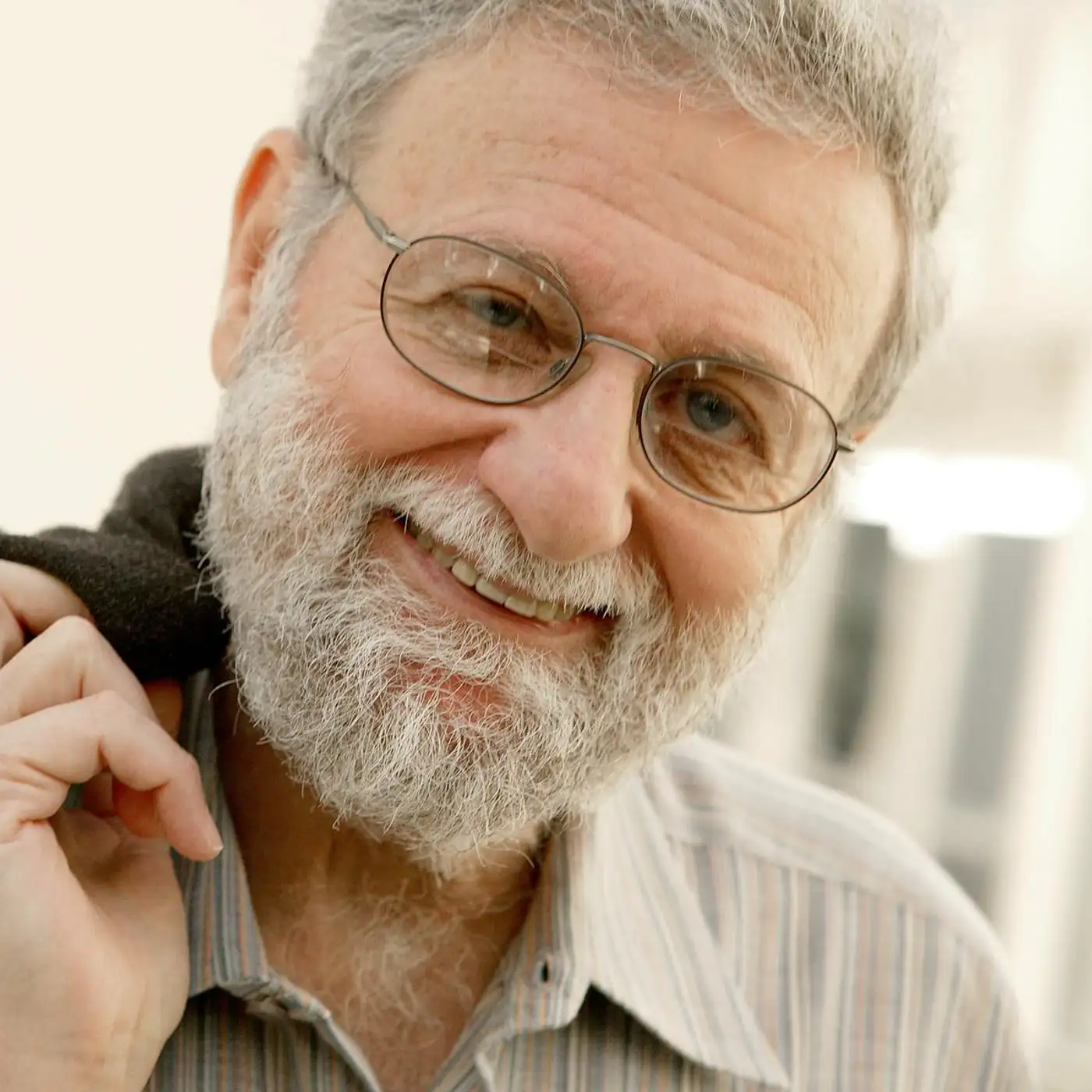
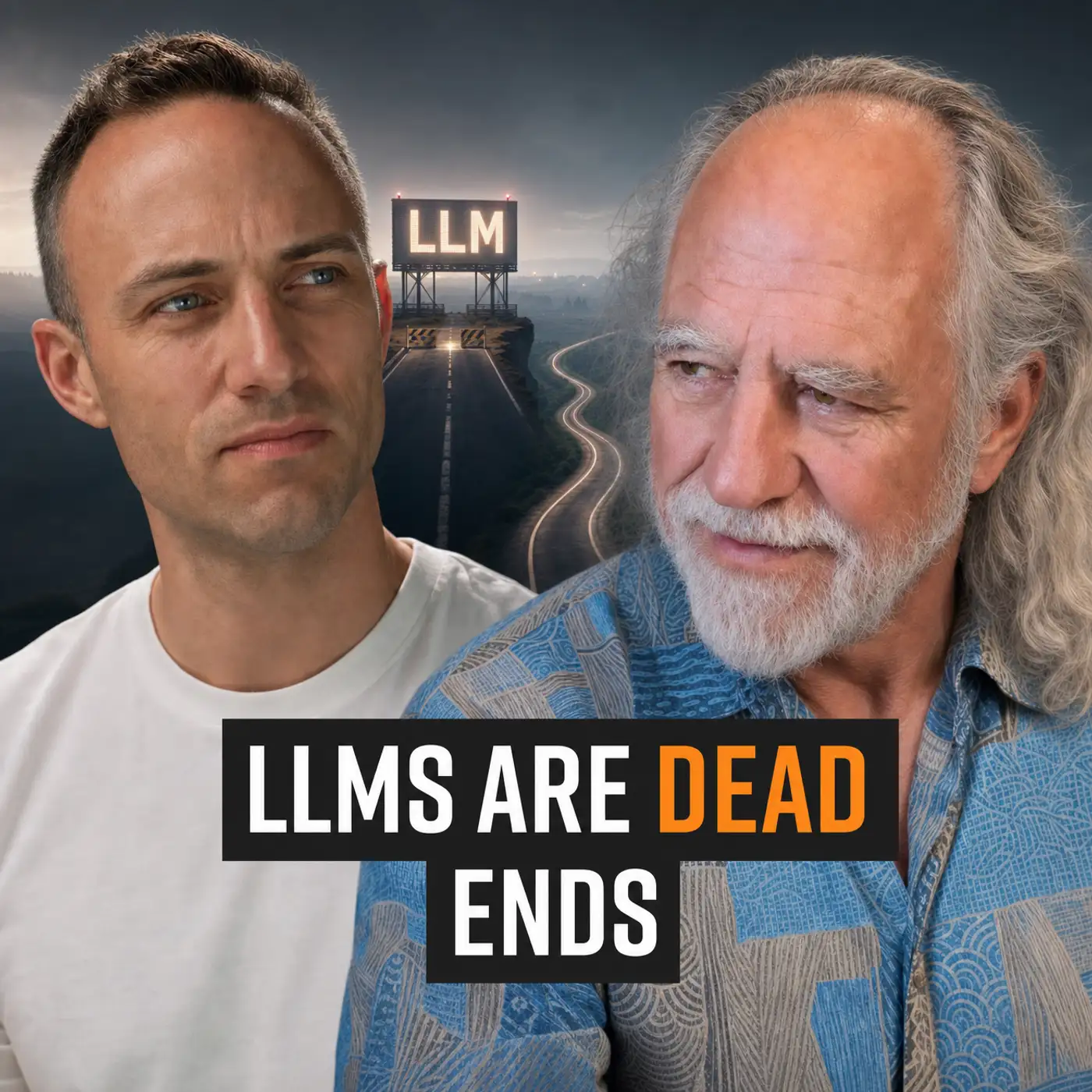
14.Software architecture, human judgment, and AI's limits with Grady Booch
47:00
Keywords

software, architecture, AI

Description
Kent talks with Grady Booch about what software engineering still means in the age of AI agents, why implementation is only one part of the work, and why human judgment remains central to building durable systems.

They discuss software architecture, the limits of large language models, computable minds, product engineering across different risk and complexity levels, and the kind of curiosity that helps engineers grow beyond a narrow slice of the field.

{{chapters}}

Grady brings a rare long-view perspective to the AI and software engineering conversation: early computing, Rational Software, UML, IBM Research, NASA work, software architecture, and current research into computing and the human experience. That background gives this episode a useful tension. Kent and Grady do not agree on every framing, especially around whether the software development industry could eventually "end," but they find common ground around judgment, curiosity, and the responsibility engineers have for what they build.

A major theme is that implementation is not the whole of software engineering. Grady breaks the work into a broader journey from imagination to executable artifacts, with computer science, algorithms, architecture, organizational forces, economics, risk, and ethics all shaping the result. Agents and LLMs can help with some of that work, but Grady argues they remain unreliable narrators: useful, fast, and sometimes impressive, while still needing experienced humans who can smell when the work is going off the rails.

The episode closes with a practical challenge for engineers: broaden your judgment by studying systems and ideas outside your usual domain. Read unfamiliar source code. Read books outside your lane. Build the curiosity that gives your technical decisions more context.

Homework

  • Read the source code for a system that is completely foreign to your usual work.
  • Use historical or open source systems like MacPaint, MediaWiki, or the Linux kernel to study different constraints and architectures.
  • Read a book outside your domain, such as The Sciences of the Artificial, Systemantics, or The Society of Mind.
Resources

Guest: Grady Booch

Host: Kent C. Dodds

14.Software architecture, human judgment, and AI's limits with Grady Booch
47:00
Keywords

software, architecture, AI

Description
Kent talks with Grady Booch about what software engineering still means in the age of AI agents, why implementation is only one part of the work, and why human judgment remains central to building durable systems.

They discuss software architecture, the limits of large language models, computable minds, product engineering across different risk and complexity levels, and the kind of curiosity that helps engineers grow beyond a narrow slice of the field.

{{chapters}}

Grady brings a rare long-view perspective to the AI and software engineering conversation: early computing, Rational Software, UML, IBM Research, NASA work, software architecture, and current research into computing and the human experience. That background gives this episode a useful tension. Kent and Grady do not agree on every framing, especially around whether the software development industry could eventually "end," but they find common ground around judgment, curiosity, and the responsibility engineers have for what they build.

A major theme is that implementation is not the whole of software engineering. Grady breaks the work into a broader journey from imagination to executable artifacts, with computer science, algorithms, architecture, organizational forces, economics, risk, and ethics all shaping the result. Agents and LLMs can help with some of that work, but Grady argues they remain unreliable narrators: useful, fast, and sometimes impressive, while still needing experienced humans who can smell when the work is going off the rails.

The episode closes with a practical challenge for engineers: broaden your judgment by studying systems and ideas outside your usual domain. Read unfamiliar source code. Read books outside your lane. Build the curiosity that gives your technical decisions more context.

Homework

  • Read the source code for a system that is completely foreign to your usual work.
  • Use historical or open source systems like MacPaint, MediaWiki, or the Linux kernel to study different constraints and architectures.
  • Read a book outside your domain, such as The Sciences of the Artificial, Systemantics, or The Society of Mind.
Resources

Guest: Grady Booch

Host: Kent C. Dodds

14.Software architecture, human judgment, and AI's limits with Grady Booch
47:00
Keywords

software, architecture, AI

Description
Kent talks with Grady Booch about what software engineering still means in the age of AI agents, why implementation is only one part of the work, and why human judgment remains central to building durable systems.

They discuss software architecture, the limits of large language models, computable minds, product engineering across different risk and complexity levels, and the kind of curiosity that helps engineers grow beyond a narrow slice of the field.

{{chapters}}

Grady brings a rare long-view perspective to the AI and software engineering conversation: early computing, Rational Software, UML, IBM Research, NASA work, software architecture, and current research into computing and the human experience. That background gives this episode a useful tension. Kent and Grady do not agree on every framing, especially around whether the software development industry could eventually "end," but they find common ground around judgment, curiosity, and the responsibility engineers have for what they build.

A major theme is that implementation is not the whole of software engineering. Grady breaks the work into a broader journey from imagination to executable artifacts, with computer science, algorithms, architecture, organizational forces, economics, risk, and ethics all shaping the result. Agents and LLMs can help with some of that work, but Grady argues they remain unreliable narrators: useful, fast, and sometimes impressive, while still needing experienced humans who can smell when the work is going off the rails.

The episode closes with a practical challenge for engineers: broaden your judgment by studying systems and ideas outside your usual domain. Read unfamiliar source code. Read books outside your lane. Build the curiosity that gives your technical decisions more context.

Homework

  • Read the source code for a system that is completely foreign to your usual work.
  • Use historical or open source systems like MacPaint, MediaWiki, or the Linux kernel to study different constraints and architectures.
  • Read a book outside your domain, such as The Sciences of the Artificial, Systemantics, or The Society of Mind.
Resources

Guest: Grady Booch

Host: Kent C. Dodds
14.Software architecture, human judgment, and AI's limits with Grady Booch
47:00
Keywords

software, architecture, AI

Description
Kent talks with Grady Booch about what software engineering still means in the age of AI agents, why implementation is only one part of the work, and why human judgment remains central to building durable systems.

They discuss software architecture, the limits of large language models, computable minds, product engineering across different risk and complexity levels, and the kind of curiosity that helps engineers grow beyond a narrow slice of the field.

{{chapters}}

Grady brings a rare long-view perspective to the AI and software engineering conversation: early computing, Rational Software, UML, IBM Research, NASA work, software architecture, and current research into computing and the human experience. That background gives this episode a useful tension. Kent and Grady do not agree on every framing, especially around whether the software development industry could eventually "end," but they find common ground around judgment, curiosity, and the responsibility engineers have for what they build.

A major theme is that implementation is not the whole of software engineering. Grady breaks the work into a broader journey from imagination to executable artifacts, with computer science, algorithms, architecture, organizational forces, economics, risk, and ethics all shaping the result. Agents and LLMs can help with some of that work, but Grady argues they remain unreliable narrators: useful, fast, and sometimes impressive, while still needing experienced humans who can smell when the work is going off the rails.

The episode closes with a practical challenge for engineers: broaden your judgment by studying systems and ideas outside your usual domain. Read unfamiliar source code. Read books outside your lane. Build the curiosity that gives your technical decisions more context.

Homework

  • Read the source code for a system that is completely foreign to your usual work.
  • Use historical or open source systems like MacPaint, MediaWiki, or the Linux kernel to study different constraints and architectures.
  • Read a book outside your domain, such as The Sciences of the Artificial, Systemantics, or The Society of Mind.
Resources

Guest: Grady Booch

Host: Kent C. Dodds
14.Software architecture, human judgment, and AI's limits with Grady Booch
47:00
Keywords

software, architecture, AI

Description
Kent talks with Grady Booch about what software engineering still means in the age of AI agents, why implementation is only one part of the work, and why human judgment remains central to building durable systems.

They discuss software architecture, the limits of large language models, computable minds, product engineering across different risk and complexity levels, and the kind of curiosity that helps engineers grow beyond a narrow slice of the field.

{{chapters}}

Grady brings a rare long-view perspective to the AI and software engineering conversation: early computing, Rational Software, UML, IBM Research, NASA work, software architecture, and current research into computing and the human experience. That background gives this episode a useful tension. Kent and Grady do not agree on every framing, especially around whether the software development industry could eventually "end," but they find common ground around judgment, curiosity, and the responsibility engineers have for what they build.

A major theme is that implementation is not the whole of software engineering. Grady breaks the work into a broader journey from imagination to executable artifacts, with computer science, algorithms, architecture, organizational forces, economics, risk, and ethics all shaping the result. Agents and LLMs can help with some of that work, but Grady argues they remain unreliable narrators: useful, fast, and sometimes impressive, while still needing experienced humans who can smell when the work is going off the rails.

The episode closes with a practical challenge for engineers: broaden your judgment by studying systems and ideas outside your usual domain. Read unfamiliar source code. Read books outside your lane. Build the curiosity that gives your technical decisions more context.

Homework

  • Read the source code for a system that is completely foreign to your usual work.
  • Use historical or open source systems like MacPaint, MediaWiki, or the Linux kernel to study different constraints and architectures.
  • Read a book outside your domain, such as The Sciences of the Artificial, Systemantics, or The Society of Mind.
Resources

Guest: Grady Booch

Host: Kent C. Dodds
Looking for more content?

Have a look at these articles.

See the full blog